
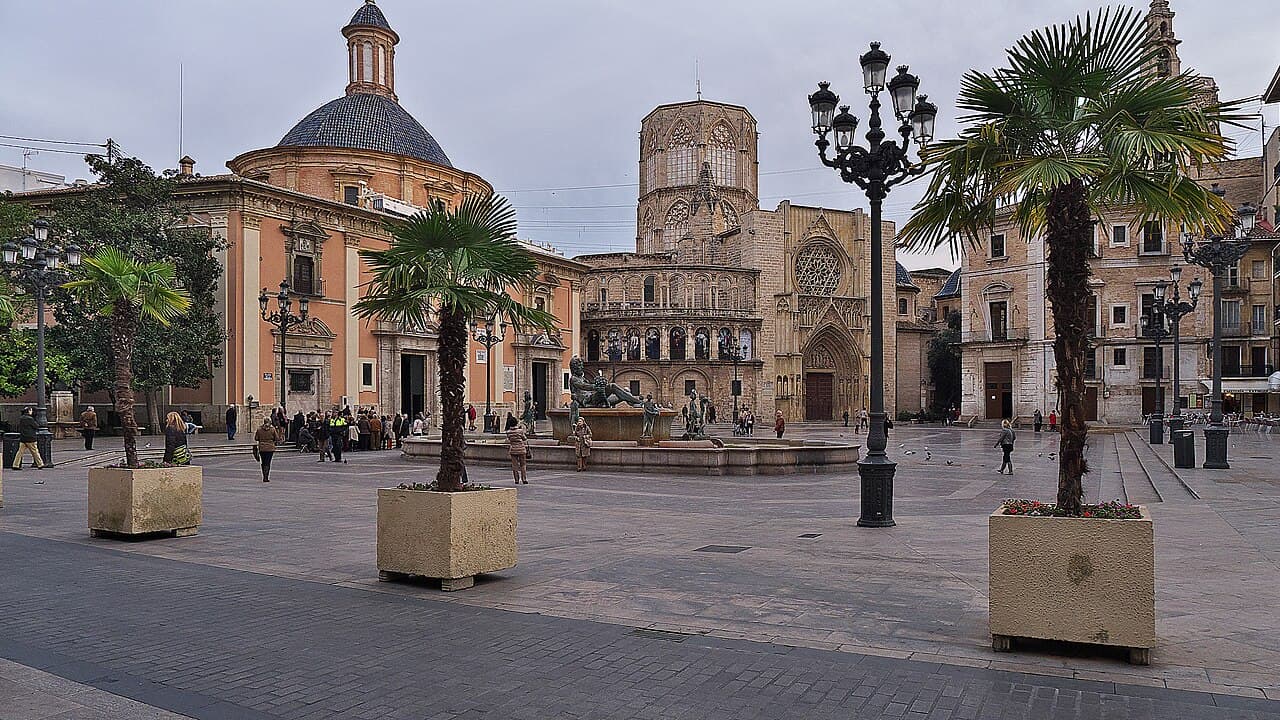
Valencia Historic Centre
A practical walking route through 2,000 years of Valencia's civic, religious and trading history
Last updated: 2026-07-20
Photo: Jl FilpoC · CC BY-SA 4.0 · cropped for display
Valencia's historic centre brings Roman foundations, Islamic walls, medieval gates, Gothic trading wealth and later civic architecture into a compact walkable area. Turisme Comunitat Valenciana identifies more than 20 officially recognised cultural heritage sites within the historic centre.
The municipal cultural route provides a useful one-hour spine from Torres de Serranos to Torres de Quart. That timing covers the walk, not meaningful visits inside the Cathedral, Almoina, La Lonja, Central Market or other monuments. Allow half a day for a selective route and a full day only if your group handles long urban walks comfortably.
This guide owns broad old-town orientation. Use the separate Central Market and La Lonja guide for that focused morning pairing, and the El Carmen guide when deciding whether to stay in or explore the neighbourhood itself.
Things to See & Do
Serranos and Quart Towers
The two surviving fortified gates create natural endpoints for a route across Ciutat Vella.
💡 Start at Serranos and finish through El Carmen at Quart for a clear westward route.
Plaza de la Virgen and Cathedral
The civic and religious heart of the route connects the Basilica, Cathedral, Micalet and archaeological history around Almoina.
💡 Treat Cathedral and tower entry as a separate time decision.
Market Square
Central Market and UNESCO-listed La Lonja reveal Valencia's food culture and medieval trading power.
💡 Use the dedicated Market and La Lonja guide for opening-order details.
Plaza del Ayuntamiento
A broad civic square provides a useful contrast to the narrow medieval street network.
Getting There
Enter the historic centre by public transport and walk between clusters. Driving between individual monuments is slower and less practical.
Several central Metrovalencia stations provide access to different ends of Ciutat Vella. Choose by your route direction.
EMT serves the perimeter and central squares, with changes during events and road closures.
Cycle to the edge of the route, then walk in the busiest pedestrian streets.
The core route is walkable, but monument entries, detours and historic surfaces increase time and effort.
Best Time to Visit
Start in the morning for working-market atmosphere and cooler walking, then prioritise monuments by their current opening hours.
spring
Comfortable walking weather, with festival routes and closures requiring date-specific checks.
summer
Start early, use shaded streets and indoor monuments, and avoid a continuous midday walking route.
autumn
Strong walking conditions outside heavy-rain periods, with fewer heat constraints.
winter
Mild daytime walking is possible; shorter daylight makes a focused route more useful.
Accessibility
Many squares and pedestrian routes are accessible, but historic paving, monument thresholds, crowds and individual interior routes vary.
♿ Confirm the step-free entrance and lift status for every paid interior that matters. Build the route around accessible entrances rather than visual proximity alone.
👶 A compact stroller handles crowds and café stops better. Some towers and historic interiors require carrying or leaving it outside.
🚇 Accessible public transport reaches the perimeter and main squares, but the final route uses varied pedestrian surfaces.





What to Bring
✅ Bring
- Comfortable shoes
- Water
- Sun protection
- Offline route map
- A short list of priority interiors
❌ Don't Bring
- Large luggage
- An overfilled monument checklist
- A car-dependent point-to-point plan
🏷️ Rent Instead
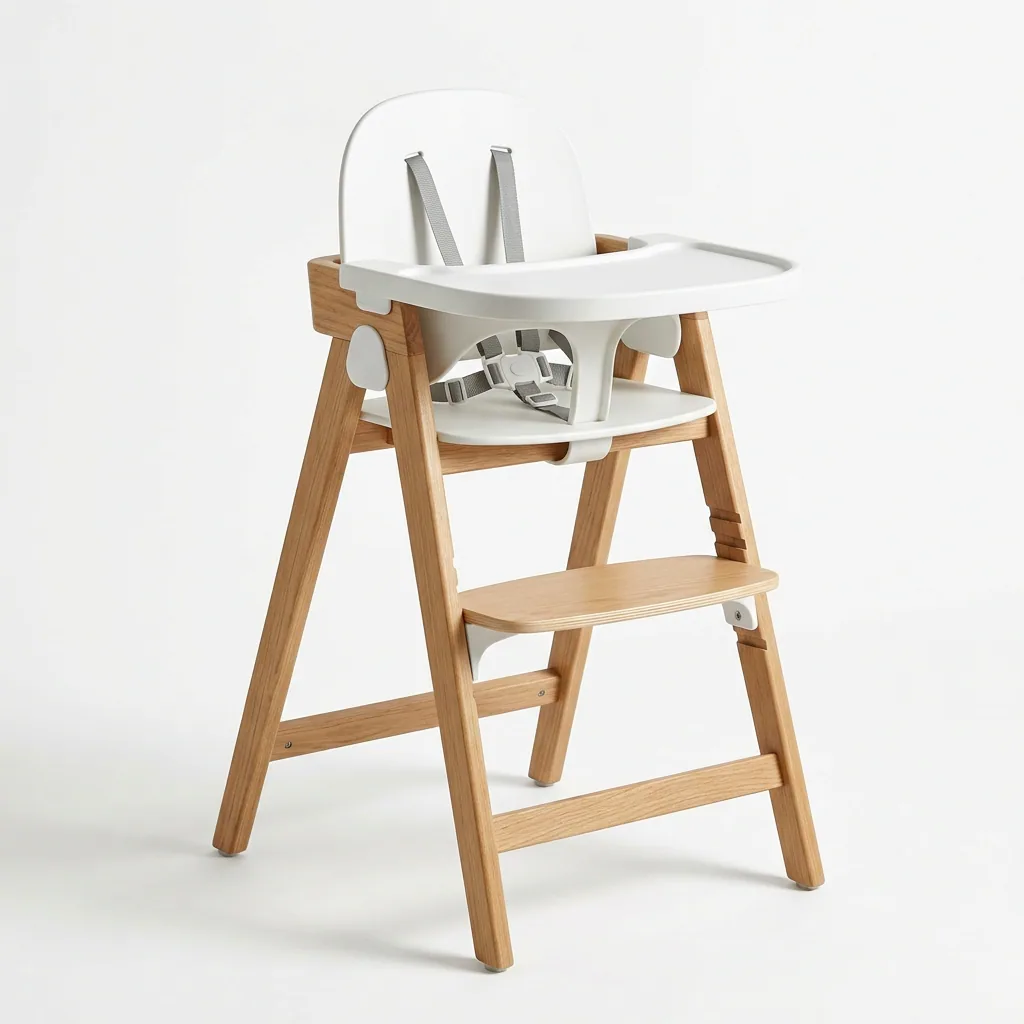
- A compact stroller for younger children
- A mobility aid suited to several hours on mixed urban surfaces
Visiting Valencia Historic Centre
A strong first visit follows one continuous route and chooses a few interiors, rather than repeatedly crossing Ciutat Vella to tick off landmarks.
- •Start near Serranos if you want a clear westward route.
- •Visit Central Market before it loses its morning activity.
- •Keep El Carmen as the final flexible section near Quart Towers.
Practical Tips
- 1Use the municipal Serranos-to-Quart route as a spine, not a promise that every monument fits into one hour.
- 2Select two or three interiors and enjoy the remaining landmarks from the public route.
- 3Check each monument's official hours independently; nearby buildings do not share one schedule.
- 4Plan a seated break around Plaza de la Virgen, Plaza de la Reina or Market Square before fatigue sets in.
Frequently Asked Questions
How long do I need for Valencia's historic centre?
The municipal walking spine takes about one hour without interior visits. Allow three to five hours for a useful first visit with two or three monuments.
What should I see first in Valencia old town?
A practical route starts at Serranos Towers, continues through Plaza de la Virgen and the Cathedral area, reaches Market Square, and finishes through El Carmen at Quart Towers.
Is Valencia's historic centre accessible?
Large parts are pedestrian and relatively level, but historic surfaces and monument entrances vary. Confirm step-free access for every interior you consider essential.
Is the historic centre the same as El Carmen?
No. El Carmen is one neighbourhood within Ciutat Vella. The broader historic-centre route also includes the Cathedral area, Market Square, civic centre and other old-town districts.
Related Guides
Valencia With Kids: The Complete Family Guide
Everything you need to know about visiting Valencia with children — from the best beaches to kid-friendly restaurants and what gear to bring.
Read guide →guideWheelchair Accessible Valencia: An Honest Guide
A practical guide to navigating Valencia with a wheelchair or mobility scooter — accessible attractions, transport tips, and what to expect.
Read guide →Guide information reviewed on 20 July 2026.
Information sources
- Municipal historic-centre route — Cultural València
- Valencia historic city centre — Turisme Comunitat Valenciana