
Las Fallas
Europe's wildest street festival — fire, art, and controlled chaos every March
Last updated: 2026-06-18
Las Fallas is not a quaint cultural festival — it's a city-wide explosion of art, fire, gunpowder, and organised chaos that takes over every corner of Valencia for nearly three weeks in March. It's been happening since the 18th century and was declared UNESCO Intangible Cultural Heritage in 2016.
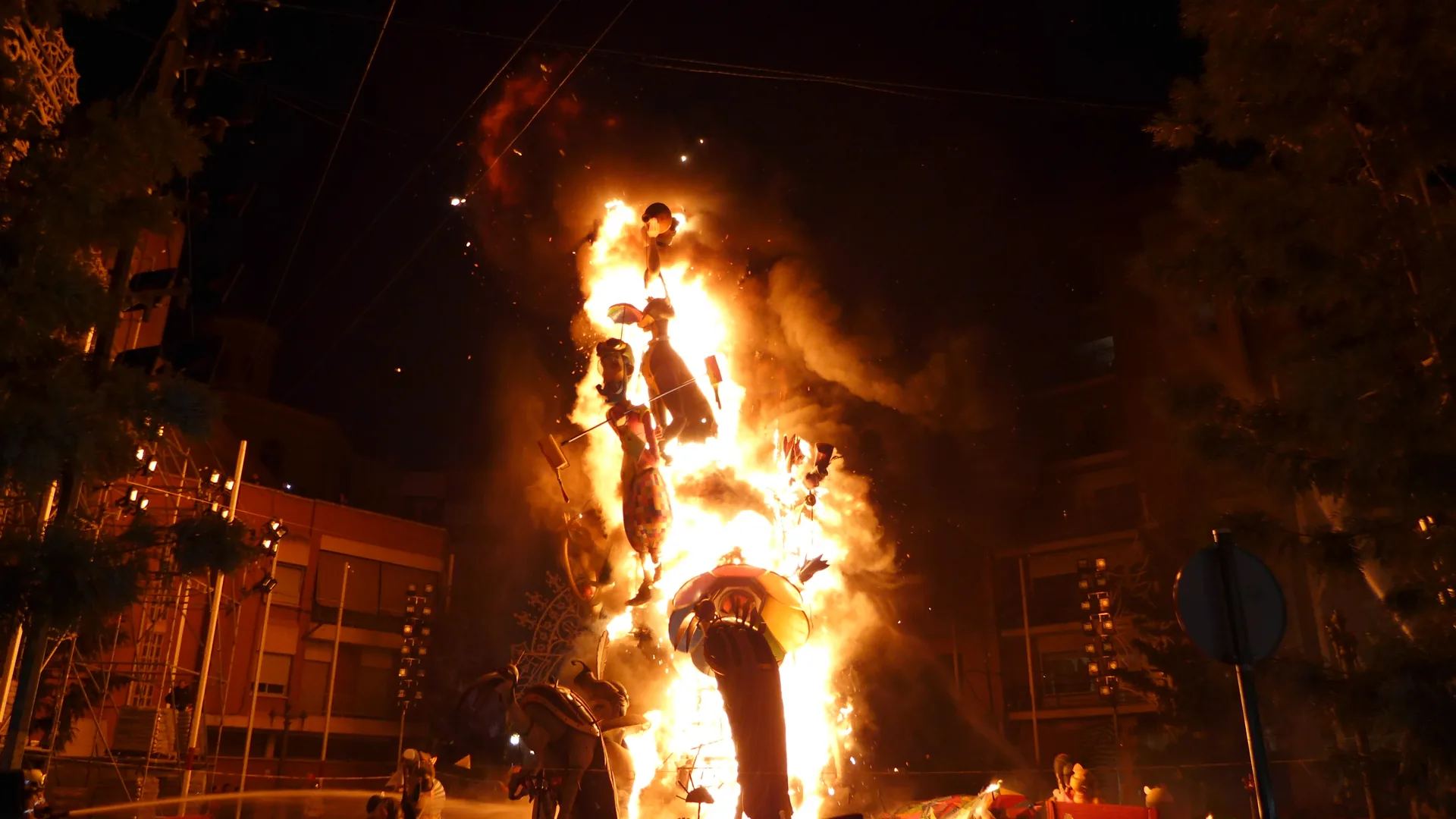
The centrepiece is the fallas themselves: enormous artistic sculptures — some reaching 20+ metres — built over months and then deliberately burned on the night of March 19. There are over 300 of them, from grand civic monuments to small neighbourhood creations by local children. The artistic quality is genuinely impressive; the best rival professional gallery installations.
For visitors, Fallas is overwhelming in the best way. The Mascletà (daily firecracker display at 2pm) is unlike anything you've experienced — it's felt in your chest, not just heard. The Cremà (burning night) is genuinely surreal. And in between, the entire city is one continuous street party with paella, churros, and live music.
Book accommodation at least 2-3 months ahead. Prices triple during Fallas week. Consider staying in Ruzafa or Benimaclet — slightly outside the chaos but walkable to everything.
Things to See & Do
The Mascletà
Every day at 2pm (March 1-19) in Plaza del Ayuntamiento, a professional pyrotechnician orchestrates a 7-minute firecracker display. It builds from rhythmic pops to a wall of sound that shakes buildings. You feel it in your bones.
💡 Arrive by 1pm or you won't get a spot. The best position is about 30m from the barriers — close enough to feel it, far enough to keep your hearing.
La Cremà (The Burning)
On the night of March 19, all 300+ fallas are burned simultaneously across the city. The biggest falla in Plaza del Ayuntamiento burns last, usually around 1am. Firefighters hose down buildings as flames reach 15+ metres.
💡 Watch a smaller neighbourhood cremà first (10pm) — they're more intimate and less crowded. Then head to the main plaza for the finale.
The Fallas Sculptures
Walk the city to see the 300+ fallas — satirical, political, and often surreal sculptures that have been built over months by professional artists. The official judging route covers the top-tier ones.
Ofrenda de Flores
A flower offering to the Virgin Mary where thousands of falleras in traditional dress parade through the streets carrying bouquets. The resulting floral monument in Plaza de la Virgen is stunning.
Best Time to Visit
Fallas peaks March 15-19, but the build-up from March 1 has its own charm with fewer crowds.
spring
Fallas happens in March — temperatures are pleasant (14-20°C) but evenings can be cool, especially waiting for the Cremà. Bring a jacket.
summer
Fallas doesn't happen in summer.
autumn
Fallas doesn't happen in autumn.
winter
Fallas doesn't happen in winter.
Accessibility
Fallas is challenging for wheelchair users and people with mobility issues. Crowds are dense, streets are closed, and smoke can be intense. However, the Mascletà in the plaza has a designated accessible area.
♿ The main plazas have accessible viewing areas during Mascletà. Smaller neighbourhood events are harder to navigate. Plan routes carefully — many streets are closed to vehicles.
👶 Use a compact, one-hand fold stroller. You will need to fold it frequently in dense crowds. Avoid the main Cremà with very young children — the heat, noise, and smoke are intense.
🚇 Metro and buses run extended hours during Fallas. Accessible, but very crowded. Consider taxis outside peak events.


What to Bring
✅ Bring
- Earplugs (essential for children)
- Comfortable walking shoes
- Light jacket for evenings
- Cash for street food
- Phone with good camera
❌ Don't Bring
- Expensive jewellery (pickpocket risk in crowds)
- Bulky luggage on Mascletà day
- Anything you can't carry easily
🏷️ Rent Instead
- Stroller — navigating Fallas crowds with a heavy buggy is miserable. A lightweight, one-hand fold model is essential.
Visiting Las Fallas
A Fallas visit needs a route rather than a checklist. Choose one or two neighbourhoods, leave generous walking time and use the official programme for that year's confirmed event locations and access restrictions.
- •Check the current official programme before leaving because routes, closures and event times can change.
- •Avoid trying to cross the city quickly; crowds and temporary barriers make short distances take much longer.
- •Plan a quieter meeting point away from the busiest squares in case your group becomes separated.
Practical Tips
- 1Download the official Fallas app — it has a map of all 300+ fallas and daily event schedules.
- 2Eat paella for lunch, not dinner. Street churros and buñuelos de calabaza (pumpkin fritters) are the essential Fallas snacks.
- 3The city smells of gunpowder for the entire festival. Your clothes will too. Don't wear anything precious.
- 4Banks and shops in the city centre may have reduced hours during Fallas week. Stock up on cash.
Frequently Asked Questions
Is Las Fallas safe for children?
Yes, with preparation. Bring earplugs (non-negotiable for the Mascletà), avoid the main Cremà with babies or toddlers (heat and smoke are intense), and use a compact stroller that folds easily in crowds. The daytime events and neighbourhood fallas are wonderful for kids.
Do I need tickets for Las Fallas?
No — Fallas is entirely free and open-air. The Mascletà, Cremà, and all street events are public. Some private Fallas casals host dinners, but the main festival costs nothing.
How far in advance should I book accommodation?
At least 2-3 months ahead. Hotel prices triple during Fallas week and availability is extremely limited. Apartments in Ruzafa or Benimaclet are good alternatives — slightly outside the chaos but walkable to everything.
What is the Mascletà?
A daily firecracker display at 2pm in Plaza del Ayuntamiento (March 1-19). It's not fireworks — it's a rhythmic, building crescendo of gunpowder explosions designed to be felt in your chest, not just watched. Arrive by 1pm for a spot. It lasts about 7 minutes and is unlike anything else in Europe.
Guide information reviewed on 20 July 2026.
Information sources
- Official Fallas guide — Visit Valencia