
Cabanyal
Valencia's colourful maritime village reborn as the city's coolest beach quarter
Last updated: 2026-06-20
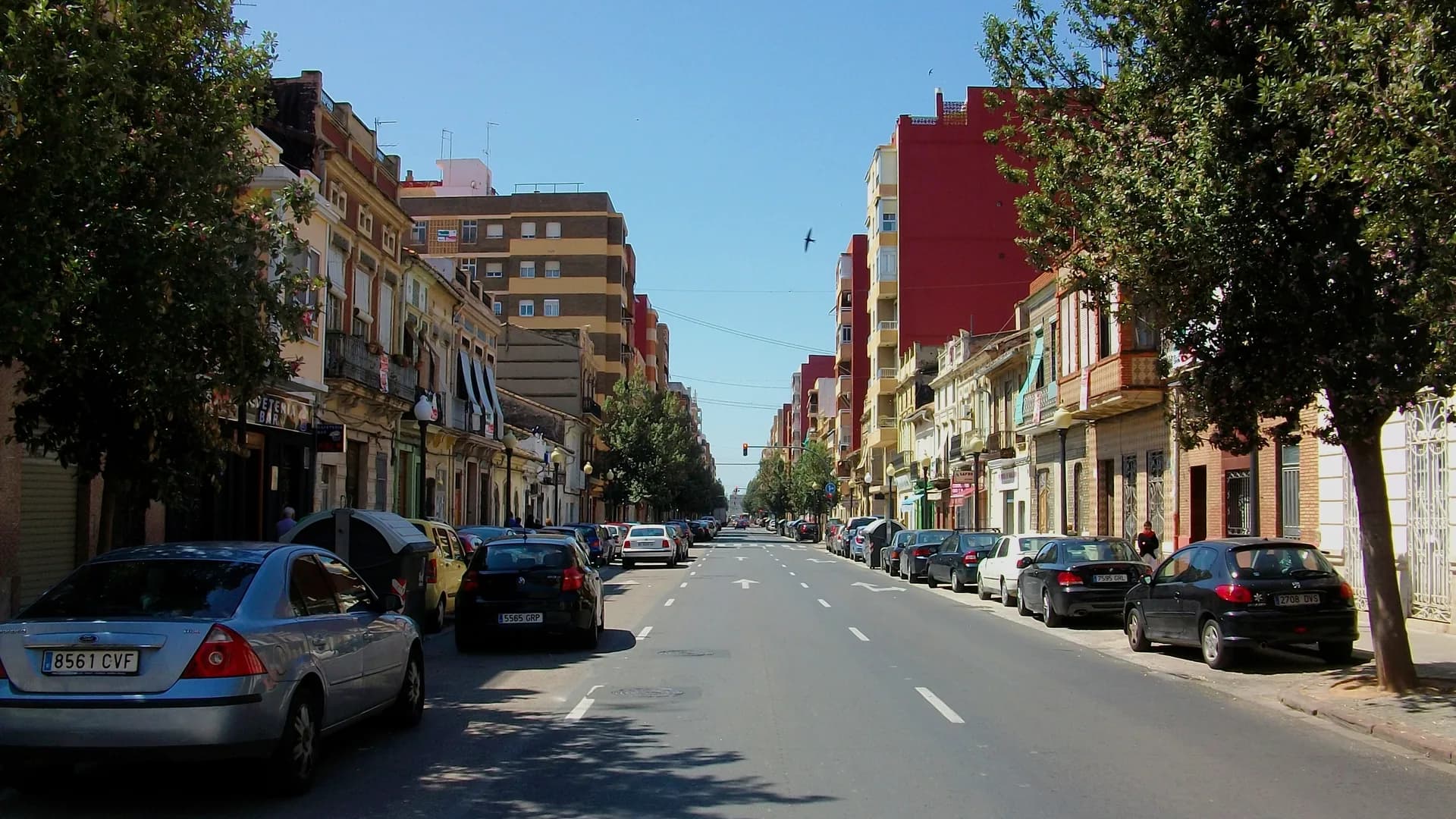
Photo: Joanbanjo · CC BY-SA 3.0 · cropped for display
Cabanyal is Valencia's historic fishermen's quarter — a grid of low-rise streets just behind Las Arenas beach, famous for its spectacular colourful tiled facades. Once threatened by demolition plans, the neighbourhood fought back and won protected heritage status. Today it's one of Valencia's most exciting areas: gritty, authentic, and rapidly evolving with craft beer bars, independent galleries, and some of the best seafood restaurants in the city.
The neighbourhood feels like a seaside village within a city. Streets are wide and flat (excellent for strollers and wheelchairs), the Mercado del Cabanyal is a local-only affair with zero tourist inflation, and you can walk to the beach in under 5 minutes from anywhere. The tram runs straight to the city centre in 15 minutes.
Cabanyal is where Valencians actually go to eat paella. The beachfront restaurants (La Pepica, Casa Carmela) are institutions, and the neighbourhood's back streets hide some of the city's best-value tapas. If you want to live like a local near the beach, this is the place.
Things to See & Do
Tiled Facades of Cabanyal
The neighbourhood's signature feature: rows of early 20th-century fishermen's houses covered in vibrant ceramic tiles. Each house has a unique design — Art Nouveau, Modernista, geometric, floral. Walk along Calle de la Reina and Calle de los Ángeles for the best concentration.
💡 The most photogenic stretch is along Calle de la Reina between Calle San Pedro and Calle Padre Luis Navarro.
Las Arenas Beach
Valencia's main city beach — wide, golden sand, and well-serviced with chiringuitos (beach bars), showers, and lifeguards in summer. The promenade (Paseo Marítimo) runs 3km and is fully accessible.
💡 Go early (before 10am) in July-August for your spot. The beach gets packed after midday. Sunsets from here are spectacular.
Mercado del Cabanyal
A real neighbourhood market — no tourist stalls, just locals buying fish straight off the boats, seasonal vegetables, and bakery goods. The building itself is a 1950s modernist gem.
💡 Go on Saturday morning for the best atmosphere. Try the fish stalls — fresher seafood doesn't exist in Valencia.
La Fábrica de Hielo
A converted ice factory turned cultural space with a rooftop terrace bar, live music venue, and rotating art exhibitions. The rooftop views over the port and neighbourhood are excellent.
💡 Check their Instagram for event listings. The rooftop is best at sunset. Craft beers on tap.
Getting There
The tram is the easiest way. Lines 4 and 6 connect Cabanyal to the city centre in about 15 minutes.
Lines L4/L6 from Pont de Fusta (near Turia Gardens) to La Marina or Eugenia Viñes
Lines 1, 2, 19, 32 from the city centre to various Cabanyal stops
Flat, easy ride from the city centre via Turia Gardens bike path. Valenbisi bike-share stations throughout the area.
From the City of Arts and Sciences, follow the Turia park east. Pleasant 30-minute stroll.
Best Time to Visit
Summer is beach season, but autumn is when the neighbourhood is at its most pleasant without the crowds.
spring
Lovely — warm enough for beach walks, terraces are open, no summer crowds yet.
summer
Peak beach season. Hot (35°C+), crowded beaches, but buzzing atmosphere. Come early or late.
autumn
The best-kept secret: still warm enough to swim (September-October), empty beaches, locals take over.
winter
Quiet but atmospheric. Paella restaurants are still open. Beach walks are peaceful.
Accessibility
Cabanyal is one of Valencia's most accessible neighbourhoods. The streets are flat, wide, and on a grid. The beach promenade is fully paved and accessible. Most restaurants have ground-floor seating.
♿ Excellent accessibility on the main streets. The beach has wooden walkways to the water's edge in summer. The tram has step-free access.
👶 Very easy with any stroller. Flat streets, wide pavements, accessible beach. One of the best areas for families with buggies.
🚇 Tram stops are fully accessible with ramps. Bus stops have low-floor vehicles.
What to Bring
✅ Bring
- Swimwear and towel
- Sun cream
- Camera for the tiled houses
- Appetite for paella
❌ Don't Bring
- Umbrella (it rarely rains)
- Expensive jewellery (beach area)
🏷️ Rent Instead
- Beach set (umbrella, chairs, toys)
- Stroller for the promenade
- Portable fan for hot days
Where to Eat & Drink
Cabanyal is THE place for paella and seafood in Valencia. The beachfront restaurants are institutions — expect to queue on weekends. The back streets have excellent budget tapas.
Casa Carmela
€€€💡 Reserve ahead for a wood-fired rice lunch and confirm the restaurant's current service days.
👶 Family-friendlyLa Pepica
€€€💡 Reserve for peak lunch periods and check the current menu before choosing a rice dish.
👶 Family-friendlyLa Más Bonita
€€💡 Check current opening hours if it is an essential stop rather than a flexible café option.
👶 Family-friendlyBodega Casa Montaña
€€€💡 Reserve if the visit matters to your plans; the historic dining rooms have limited capacity.
🍷 Local tip: Paella Valenciana cooked over wood fire — this is the neighbourhood where the tradition lives. Sunday paella lunch is a Valencian institution.
Staying in Cabanyal
Cabanyal offers the best of both worlds: beach on your doorstep and the city centre 15 minutes away by tram. Accommodation is generally more affordable than the old town, and the neighbourhood has a genuine local feel.
✅ Why stay here
- +Beach 2-5 minutes walk
- +Flat and accessible streets
- +Best paella in the city
- +More affordable than the centre
- +Authentic neighbourhood feel
⚠️ Things to know
- –15-20 minutes from old town sights
- –Can be noisy on summer nights
- –Some streets still rough around the edges
- –Limited nightlife compared to El Carmen/Ruzafa
🚀 Getting to other places from Cabanyal
- →Tram to city centre: 15 min
- →Walk to City of Arts: 25 min
- →Bus to airport: 40 min
Visiting Cabanyal
A half-day is perfect: morning at the market and walking the tiled streets, then lunch paella and afternoon on the beach.
- •Start with the tiled facades on Calle de la Reina — best light is morning.
- •Book paella lunch at Casa Carmela or La Pepica by noon (paella takes 30 min to cook).
- •Spend the afternoon on Las Arenas beach, then sunset drinks at La Fábrica de Hielo rooftop.
Tips by Traveller Type
families
- •Las Arenas beach has lifeguards in summer and a shallow, gradual entry — safe for kids.
- •Rent a beach set (umbrella, chairs, toys) rather than lugging everything from your accommodation.
- •The promenade is perfect for scooters, trikes, and running around.
digital nomads
- •La Más Bonita has Wi-Fi but it's a social spot, not a work spot.
- •For serious work, head to a coworking space in the centre (tram: 15 min).
- •The neighbourhood has excellent value long-stay apartments — cheaper than Ruzafa with better beach access.
Practical Tips
- 1Paella is a lunch dish in Valencia. Most restaurants only serve it 1-3pm. Don't ask for paella at dinner — you'll mark yourself as a tourist.
- 2The neighbourhood is safe but undergoing gentrification. Some blocks are rough — just use normal city awareness.
- 3In summer, beach restaurants fill up fast. Arrive before 1:30pm or make a reservation.
- 4The tiled facades are fragile heritage — don't touch or lean against them.


Frequently Asked Questions
Is Cabanyal safe?
Yes, increasingly so. The neighbourhood has gentrified significantly. Main streets and the waterfront are busy and safe. Use normal city awareness on quieter back streets, especially at night.
Where is the best paella in Valencia?
Many locals say Casa Carmela in Cabanyal. It's cooked over wood fire in the traditional way. Book in advance — it's well known and fills up, especially on Sundays.
Can you swim at Las Arenas beach?
Yes, from approximately May to October. The water is warm enough for comfortable swimming from June to September. Lifeguards are on duty in summer months.
Guide information reviewed on 20 July 2026.
Information sources
- El Cabanyal visitor guide — Visit Valencia